THE ADORREAL INGREDIENT EDIT
Know your ingredients.
Choose with confidence.
A clearer way to explore the ingredients behind your daily routine. Discover 118 named ingredients and formula families across 105 Adorreal products, understand the differences that matter, and go directly to the matching product pages.
YOUR INGREDIENT INDEX
Find your ingredient.
Choose a name below to open its guide. Every ingredient section includes links to the relevant Adorreal products.
118 ingredient and blend guides
001BotanicalsAcai Berry
Meet Acai Berry
A purple fruit used in botanical supplements; the fruit and its extracts are different from a complete serving of berries.
What to check on the label
Look for the plant source, extract amount and any stated concentration rather than relying on the word antioxidant alone.
An ingredient’s normal biological role, traditional use or presence in food does not prove that extra supplementation will deliver a particular result. Suitability depends on the exact preparation, serving and your individual circumstances.
Explore related products
 VIEW ADORREAL PRODUCTAdorreal Acai Berry Antioxidant Herbal SupplementView product →
002BotanicalsAlfalfa
Meet Alfalfa
A leafy botanical that can appear alongside minerals in multi-ingredient formulas.
What to check on the label
Read the entire formula: the presence of a herb does not establish how much calcium or another mineral a serving provides.
An ingredient’s normal biological role, traditional use or presence in food does not prove that extra supplementation will deliver a particular result. Suitability depends on the exact preparation, serving and your individual circumstances.
003BotanicalsAloe Vera
Meet Aloe Vera
A succulent plant used in different preparations, including inner-leaf gel and botanical extracts.
What to check on the label
The plant part and processing matter. Inner-leaf preparations and aloe latex are different materials and should not be treated as interchangeable.
An ingredient’s normal biological role, traditional use or presence in food does not prove that extra supplementation will deliver a particular result. Suitability depends on the exact preparation, serving and your individual circumstances.


004Other ingredients & blendsAlpha Lipoic Acid (ALA)
Meet Alpha Lipoic Acid (ALA)
A sulfur-containing compound involved in normal cellular metabolism. It is different from alpha-linolenic acid, which is also abbreviated ALA.
What to check on the label
Check the full ingredient name so that an alpha lipoic acid supplement is not confused with a plant omega-3 oil.
An ingredient’s normal biological role, traditional use or presence in food does not prove that extra supplementation will deliver a particular result. Suitability depends on the exact preparation, serving and your individual circumstances.
Explore related products
 VIEW ADORREAL PRODUCTAlpha Lipoic Acid (ALA) -60 capsulesView product →
005BotanicalsAmla
Meet Amla
Amla, or Indian gooseberry, is a fruit used in traditional botanical preparations and modern extracts.
What to check on the label
A fruit extract amount is not the same as a declared vitamin C amount. Use the nutrition panel for quantified vitamin C.
An ingredient’s normal biological role, traditional use or presence in food does not prove that extra supplementation will deliver a particular result. Suitability depends on the exact preparation, serving and your individual circumstances.
Explore related products
 VIEW ADORREAL PRODUCTAmla Extract for Immunity- 60 CapsView product →
006BotanicalsApple Cider Vinegar
Meet Apple Cider Vinegar
A fermented apple preparation available as a liquid and in dried or encapsulated forms.
What to check on the label
Check whether the product states dried vinegar, extract or acetic acid content. Capsules and a spoonful of liquid vinegar are not directly equivalent.
An ingredient’s normal biological role, traditional use or presence in food does not prove that extra supplementation will deliver a particular result. Suitability depends on the exact preparation, serving and your individual circumstances.
Explore related products
 VIEW ADORREAL PRODUCTApple Cider Vinegar -60 capsulesView product →
007BotanicalsArjuna
Meet Arjuna
A botanical commonly identified as Terminalia arjuna and associated with bark-based preparations.
What to check on the label
Confirm the botanical name, plant part and extract information; a traditional use history is different from evidence for a finished product.
An ingredient’s normal biological role, traditional use or presence in food does not prove that extra supplementation will deliver a particular result. Suitability depends on the exact preparation, serving and your individual circumstances.
Explore related products
 VIEW ADORREAL PRODUCTArjuna Extract -Terminalia arjuna bark extract CapsulesView product →
008BotanicalsAshwagandha
Meet Ashwagandha
Withania somnifera is a botanical used in root and other plant-part extracts. Products can differ substantially in composition.
What to check on the label
Look for the plant part and any declared standardisation. Avoid during pregnancy or breastfeeding; thyroid conditions, liver concerns and medicines require professional advice.
An ingredient’s normal biological role, traditional use or presence in food does not prove that extra supplementation will deliver a particular result. Suitability depends on the exact preparation, serving and your individual circumstances.
Explore related products
 VIEW ADORREAL PRODUCTAshwagandha Extract Capsules (Withania somnifera)View product →
 VIEW ADORREAL PRODUCTTesto Booster with Tribulus,Safed Musli, Kauch Beej, Ashwagandha,Fenugreek & Ginseng | 60 capsulesView product →
 VIEW ADORREAL PRODUCTAshwagandha Extract || Anxiety & Stress Relief || Energy & Endurance || Immunity Booster 60 CapsulesView product →
 VIEW ADORREAL PRODUCTMultivitamins,Mineral And Probiotics for Healthy Lifestyle -60 capsulesView product →
009Other ingredients & blendsAstaxanthin
Meet Astaxanthin
A red-orange carotenoid pigment used in nutritional supplements.
What to check on the label
Check the amount of astaxanthin itself, its source and the complete formula. A coloured extract weight does not necessarily equal active astaxanthin content.
An ingredient’s normal biological role, traditional use or presence in food does not prove that extra supplementation will deliver a particular result. Suitability depends on the exact preparation, serving and your individual circumstances.
Explore related products
 VIEW ADORREAL PRODUCTAstaxanthin 10mg (Haematococcus pluvialis ) -60 CapsulesView product →
010BotanicalsAstragalus
Meet Astragalus
A botanical used in traditional preparations and contemporary supplements.
What to check on the label
Read the species and plant part on the label. People taking immune-affecting medicines should discuss botanical supplements with their clinician.
An ingredient’s normal biological role, traditional use or presence in food does not prove that extra supplementation will deliver a particular result. Suitability depends on the exact preparation, serving and your individual circumstances.
Explore related products
 VIEW ADORREAL PRODUCTAstragalus Root Extract CapsView product →
011Amino acids & performanceBCAA Blend
Meet BCAA Blend
A blend of the branched-chain amino acids leucine, isoleucine and valine. These are three of the essential amino acids.
What to check on the label
Compare total BCAAs, the individual amounts or ratio, and serving size. A BCAA blend does not supply all nine essential amino acids.
An ingredient’s normal biological role, traditional use or presence in food does not prove that extra supplementation will deliver a particular result. Suitability depends on the exact preparation, serving and your individual circumstances.
Explore related products
 VIEW ADORREAL PRODUCTBCAA with Glutamine For Muscle Recovery & Endurance BCAA Powder, 10 Grams of Amino Acids, Keto Friendly, Caffeine Free-200gmsView product →
 VIEW ADORREAL PRODUCTEAAs-BCAA Energy Drink for Workout | Pre/Post Workout Supplement | Recovery | Muscle Protein Synthesis | EAAs-BCAA, All 9 Essential Amino Acids 250gmView product →
012BotanicalsBerberine HCl
Meet Berberine HCl
The hydrochloride form of berberine, a plant-derived alkaloid used in concentrated supplements.
What to check on the label
This is a biologically active ingredient, not a substitute for prescribed treatment. It can interact with medicines and should be avoided during pregnancy and breastfeeding.
An ingredient’s normal biological role, traditional use or presence in food does not prove that extra supplementation will deliver a particular result. Suitability depends on the exact preparation, serving and your individual circumstances.
Explore related products
 VIEW ADORREAL PRODUCTBerberine HCl 97% with Gymnema and Fenugreek ExtractView product →
013Vitamins & mineralsBeta-Carotene / Vitamin A
Meet Beta-Carotene / Vitamin A
Beta-carotene is a carotenoid the body can convert into vitamin A; it is different from preformed vitamin A.
What to check on the label
Check the declared vitamin A equivalent and source. People who smoke or previously smoked should seek advice before taking high-dose beta-carotene supplements.
An ingredient’s normal biological role, traditional use or presence in food does not prove that extra supplementation will deliver a particular result. Suitability depends on the exact preparation, serving and your individual circumstances.

014BotanicalsBilberry
Meet Bilberry
A dark-coloured berry used in fruit extracts, often described by their anthocyanin content.
What to check on the label
Check the species, extract amount and any quantified anthocyanins. Bilberry and blueberry are related names but not automatically the same ingredient.
An ingredient’s normal biological role, traditional use or presence in food does not prove that extra supplementation will deliver a particular result. Suitability depends on the exact preparation, serving and your individual circumstances.
Explore related products
 VIEW ADORREAL PRODUCTAdorreal Bilberry Extract -60 CapsulesView product →
015Vitamins & mineralsBiotin (Vitamin B7)
Meet Biotin (Vitamin B7)
A B vitamin involved in normal nutrient metabolism.
What to check on the label
Compare the stated micrograms and total daily intake. Biotin supplements can interfere with some laboratory tests; tell the testing team what you take.
An ingredient’s normal biological role, traditional use or presence in food does not prove that extra supplementation will deliver a particular result. Suitability depends on the exact preparation, serving and your individual circumstances.
Explore related products
 VIEW ADORREAL PRODUCTBiotin Collagen for Skin,Joint Health -60 CapsView product →
 VIEW ADORREAL PRODUCTCollagen Builder with Vitamin C & Hyaluronic Acid,Biotin -125 gm (Orange)View product →
 VIEW ADORREAL PRODUCTBiotin Collagen Support -60 CapsulesView product →VIEW ADORREAL PRODUCTMultivitamins,Mineral And Probiotics for Healthy Lifestyle -60 capsulesView product →
 VIEW ADORREAL PRODUCTCollagen Builder with Vitamin C & Hyaluronic Acid,Biotin -125 gmView product →
016BotanicalsBlack Pepper / Piperine
Meet Black Pepper / Piperine
Black pepper is a culinary botanical; piperine is one of its constituents and may be concentrated in extracts.
What to check on the label
A small amount of concentrated piperine differs from ordinary food seasoning. Ask about interactions when taking regular medicines.
An ingredient’s normal biological role, traditional use or presence in food does not prove that extra supplementation will deliver a particular result. Suitability depends on the exact preparation, serving and your individual circumstances.
Explore related products
 VIEW ADORREAL PRODUCTCurcumin Ginger Piperine Extract 60 capsView product →
 VIEW ADORREAL PRODUCTKeto Support Capsules with Green Tea, Garcinia & L-Carnitine -60 CapsulesView product →
 VIEW ADORREAL PRODUCTCurcumin Longa 95% with Black PepperView product →
 VIEW ADORREAL PRODUCTCurcumin with Boswellia & Black PepperView product →
 VIEW ADORREAL PRODUCTCurcumin longa with Bosewellia, ginger & Black Pepper | 60 CapsulesView product →
 VIEW ADORREAL PRODUCTGarcinia Cambogia Multi-Herb Extract 60 CapsulesView product →
 VIEW ADORREAL PRODUCTJoint Restore Complex – 60 CapsulesView product →
 VIEW ADORREAL PRODUCTTribulus Terrestris Extract with Black PepperView product →
017BotanicalsBoswellia
Meet Boswellia
A resin-producing botanical used in herbal extracts.
What to check on the label
Look for the species, resin source and any declared boswellic acid standardisation. Different extracts are not automatically equivalent by weight.
An ingredient’s normal biological role, traditional use or presence in food does not prove that extra supplementation will deliver a particular result. Suitability depends on the exact preparation, serving and your individual circumstances.
Explore related products
 VIEW ADORREAL PRODUCTCurcumin Boswellia 60 capsulesView product →VIEW ADORREAL PRODUCTCurcumin with Boswellia & Black PepperView product →VIEW ADORREAL PRODUCTCurcumin longa with Bosewellia, ginger & Black Pepper | 60 CapsulesView product →VIEW ADORREAL PRODUCTJoint Restore Complex – 60 CapsulesView product →
018BotanicalsBrahmi (Bacopa monnieri)
Meet Brahmi (Bacopa monnieri)
Bacopa monnieri is a botanical often called Brahmi. Common names alone can be ambiguous.
What to check on the label
Confirm the scientific name and any stated bacoside content. Compare the actual extract rather than assuming every Brahmi product has the same composition.
An ingredient’s normal biological role, traditional use or presence in food does not prove that extra supplementation will deliver a particular result. Suitability depends on the exact preparation, serving and your individual circumstances.
Explore related products
 VIEW ADORREAL PRODUCTShankhpushpi & Brahmi ExtractView product →
019Other ingredients & blendsBromelain
Meet Bromelain
A mixture of protein-digesting enzymes associated with pineapple and used in supplements.
What to check on the label
Where supplied, enzyme activity units help describe the preparation in addition to milligrams. Consider pineapple allergy and medication interactions.
An ingredient’s normal biological role, traditional use or presence in food does not prove that extra supplementation will deliver a particular result. Suitability depends on the exact preparation, serving and your individual circumstances.
Explore related products
 VIEW ADORREAL PRODUCTQuercetin with Bromelain - 60 CapsView product →
020Other ingredients & blendsCaffeine
Meet Caffeine
A stimulant found in coffee, tea and some supplements.
What to check on the label
Count caffeine from all sources, including beverages and pre-workouts. Sensitivity varies, and late intake may interfere with sleep; avoid combining stimulant products casually.
An ingredient’s normal biological role, traditional use or presence in food does not prove that extra supplementation will deliver a particular result. Suitability depends on the exact preparation, serving and your individual circumstances.

021Vitamins & mineralsCalcium
Meet Calcium
An essential mineral that contributes to normal bone structure and other body functions.
What to check on the label
Compare elemental calcium per serving, not only the weight of the calcium compound. Consider food intake and other mineral supplements together.
An ingredient’s normal biological role, traditional use or presence in food does not prove that extra supplementation will deliver a particular result. Suitability depends on the exact preparation, serving and your individual circumstances.
022BotanicalsCaralluma fimbriata
Meet Caralluma fimbriata
A succulent botanical used in concentrated extracts.
What to check on the label
Check species, plant part and extract details. A botanical marketed for weight management should not be treated as a guarantee of weight loss.
An ingredient’s normal biological role, traditional use or presence in food does not prove that extra supplementation will deliver a particular result. Suitability depends on the exact preparation, serving and your individual circumstances.
Explore related products
 VIEW ADORREAL PRODUCTCaralluma fimbriata extract -60 CapsView product →
023Vitamins & mineralsCholine Bitartrate
Meet Choline Bitartrate
A supplemental form that provides choline, a nutrient used in normal cell structure and metabolism.
What to check on the label
Choline bitartrate weight and the amount of choline supplied are not identical. Use the label's declared choline amount when comparing products.
An ingredient’s normal biological role, traditional use or presence in food does not prove that extra supplementation will deliver a particular result. Suitability depends on the exact preparation, serving and your individual circumstances.
Explore related products
 VIEW ADORREAL PRODUCTCholine Bitartrate CapsulesView product →
024Other ingredients & blendsChondroitin Sulphate
Meet Chondroitin Sulphate
A compound associated with cartilage and used in some joint formulas.
What to check on the label
Read the source, declared amount and other ingredients in the blend. Check suitability if avoiding animal-derived materials.
An ingredient’s normal biological role, traditional use or presence in food does not prove that extra supplementation will deliver a particular result. Suitability depends on the exact preparation, serving and your individual circumstances.
Explore related products
VIEW ADORREAL PRODUCTJoint Restore Complex – 60 CapsulesView product →025Vitamins & mineralsChromium Picolinate
Meet Chromium Picolinate
A form of the trace mineral chromium used in supplements.
What to check on the label
Read the elemental chromium amount, usually stated in micrograms. It is not a replacement for diabetes treatment or monitoring.
An ingredient’s normal biological role, traditional use or presence in food does not prove that extra supplementation will deliver a particular result. Suitability depends on the exact preparation, serving and your individual circumstances.
026BotanicalsCinnamon
Meet Cinnamon
A familiar spice that also appears in botanical extracts.
What to check on the label
Species and preparation can differ. Culinary use and concentrated extract use are different; review medicines and ongoing liver concerns with a professional.
An ingredient’s normal biological role, traditional use or presence in food does not prove that extra supplementation will deliver a particular result. Suitability depends on the exact preparation, serving and your individual circumstances.
Explore related products
 VIEW ADORREAL PRODUCTCinnamon Extract 60 CapsulesView product →
027BotanicalsCissus
Meet Cissus
A botanical commonly sold as Cissus quadrangularis in supplement formulas.
What to check on the label
Check the botanical name, extract amount and other ingredients. A plant extract is not a quantified calcium serving unless the label separately declares calcium.
An ingredient’s normal biological role, traditional use or presence in food does not prove that extra supplementation will deliver a particular result. Suitability depends on the exact preparation, serving and your individual circumstances.
028BotanicalsColeus forskohlii
Meet Coleus forskohlii
A botanical associated with forskolin-containing preparations.
What to check on the label
Check the actual extract and any stated forskolin standardisation. Discuss concentrated botanical use with a clinician when taking heart or blood-pressure medicines.
An ingredient’s normal biological role, traditional use or presence in food does not prove that extra supplementation will deliver a particular result. Suitability depends on the exact preparation, serving and your individual circumstances.
029Other ingredients & blendsCollagen Peptides (Fish)
Meet Collagen Peptides (Fish)
Peptides obtained by processing fish-derived collagen. This is an animal-derived protein ingredient.
What to check on the label
Check grams of collagen peptides per serving and fish allergen information. A peptide powder and a multi-ingredient collagen-support capsule are different products.
An ingredient’s normal biological role, traditional use or presence in food does not prove that extra supplementation will deliver a particular result. Suitability depends on the exact preparation, serving and your individual circumstances.
030Other ingredients & blendsCollagen Support
Meet Collagen Support
A formula family used in products positioned around collagen-related nutrition; the name alone does not identify every ingredient.
What to check on the label
Read the actual composition to establish whether collagen is present, its source, and the amounts of accompanying vitamins or botanicals.
An ingredient’s normal biological role, traditional use or presence in food does not prove that extra supplementation will deliver a particular result. Suitability depends on the exact preparation, serving and your individual circumstances.
Explore related products
VIEW ADORREAL PRODUCTBiotin Collagen for Skin,Joint Health -60 CapsView product →031Other ingredients & blendsCollagen Support Blend (Plant-Based)
Meet Collagen Support Blend (Plant-Based)
A plant-based formula category. Plants do not naturally provide animal collagen, so collagen-support wording needs to be read alongside the composition.
What to check on the label
Check the listed plant ingredients and nutrients. Do not assume a plant-based support blend contains fish or bovine collagen peptides.
An ingredient’s normal biological role, traditional use or presence in food does not prove that extra supplementation will deliver a particular result. Suitability depends on the exact preparation, serving and your individual circumstances.
Explore related products
VIEW ADORREAL PRODUCTBiotin Collagen Support -60 CapsulesView product →032Oils & fatty acidsConjugated Linoleic Acid (CLA)
Meet Conjugated Linoleic Acid (CLA)
A group of related fatty acids used in some oil-based supplements.
What to check on the label
Check the amount of CLA rather than total oil alone, along with source and serving size. Weight-management outcomes are not guaranteed.
An ingredient’s normal biological role, traditional use or presence in food does not prove that extra supplementation will deliver a particular result. Suitability depends on the exact preparation, serving and your individual circumstances.


033BotanicalsCranberry
Meet Cranberry
A fruit used in dried preparations and extracts, sometimes standardised for proanthocyanidins.
What to check on the label
Compare the actual extract and any quantified PAC content. Cranberry is not a treatment for an active urinary infection or a substitute for assessment.
An ingredient’s normal biological role, traditional use or presence in food does not prove that extra supplementation will deliver a particular result. Suitability depends on the exact preparation, serving and your individual circumstances.
Explore related products
 VIEW ADORREAL PRODUCTCranberry (Vaccinium macrocarpon) extract -60 CapsulesView product →
034Amino acids & performanceCreatine Monohydrate
Meet Creatine Monohydrate
A well-studied form of creatine used in sports nutrition. Creatine is involved in the body's short-duration energy system.
What to check on the label
Compare grams per serving and the exact form. Benefits are most relevant to repeated high-intensity activity; training and overall nutrition remain essential.
An ingredient’s normal biological role, traditional use or presence in food does not prove that extra supplementation will deliver a particular result. Suitability depends on the exact preparation, serving and your individual circumstances.


035BotanicalsCumin
Meet Cumin
A culinary seed used in foods and some botanical blends.
What to check on the label
Read whether the formula contains seed powder, extract or oil. These forms have different concentrations and cannot be compared by name alone.
An ingredient’s normal biological role, traditional use or presence in food does not prove that extra supplementation will deliver a particular result. Suitability depends on the exact preparation, serving and your individual circumstances.
Explore related products
VIEW ADORREAL PRODUCTGarcinia Cambogia Multi-Herb Extract 60 CapsulesView product →036BotanicalsCurcumin (Turmeric)
Meet Curcumin (Turmeric)
Curcumin belongs to a group of compounds called curcuminoids found in turmeric.
What to check on the label
Turmeric powder, turmeric oil and curcumin extract are different preparations. Look for the amount and any declared curcuminoid concentration.
An ingredient’s normal biological role, traditional use or presence in food does not prove that extra supplementation will deliver a particular result. Suitability depends on the exact preparation, serving and your individual circumstances.
Explore related products
VIEW ADORREAL PRODUCTCurcumin Boswellia 60 capsulesView product →VIEW ADORREAL PRODUCTCurcumin Ginger Piperine Extract 60 capsView product →VIEW ADORREAL PRODUCTCurcumin Longa 95% with Black PepperView product →VIEW ADORREAL PRODUCTCurcumin with Boswellia & Black PepperView product →VIEW ADORREAL PRODUCTCurcumin longa with Bosewellia, ginger & Black Pepper | 60 CapsulesView product →VIEW ADORREAL PRODUCTGarcinia Cambogia Multi-Herb Extract 60 CapsulesView product →VIEW ADORREAL PRODUCTJoint Restore Complex – 60 CapsulesView product →037BotanicalsDandelion
Meet Dandelion
A botanical used in leaf, root and other preparations.
What to check on the label
Check the plant part and preparation. Discuss use if taking regular medicines or if you have a relevant plant allergy.
An ingredient’s normal biological role, traditional use or presence in food does not prove that extra supplementation will deliver a particular result. Suitability depends on the exact preparation, serving and your individual circumstances.

038BotanicalsEchinacea
Meet Echinacea
A botanical used in several species and plant-part preparations.
What to check on the label
Confirm species and extract information. The evidence and safety of one preparation cannot automatically be applied to every echinacea product.
An ingredient’s normal biological role, traditional use or presence in food does not prove that extra supplementation will deliver a particular result. Suitability depends on the exact preparation, serving and your individual circumstances.
Explore related products
 VIEW ADORREAL PRODUCTEchinacea Purpurea extract – 60 CapsulesView product →
039Amino acids & performanceEssential Amino Acid (EAA) Blend
Meet Essential Amino Acid (EAA) Blend
A blend intended to provide amino acids that must come from the diet.
What to check on the label
Check whether all nine essential amino acids are listed and compare their amounts. An EAA blend and a three-amino-acid BCAA blend are different.
An ingredient’s normal biological role, traditional use or presence in food does not prove that extra supplementation will deliver a particular result. Suitability depends on the exact preparation, serving and your individual circumstances.
040Oils & fatty acidsEvening Primrose Oil
Meet Evening Primrose Oil
A seed oil used in supplements and known for containing gamma-linolenic acid, or GLA.
What to check on the label
Compare declared GLA content as well as total oil. Read the softgel shell and additional ingredients if dietary preferences matter.
An ingredient’s normal biological role, traditional use or presence in food does not prove that extra supplementation will deliver a particular result. Suitability depends on the exact preparation, serving and your individual circumstances.
Explore related products
 VIEW ADORREAL PRODUCTVitamin E ,Wheat Germ Oil, Evening Primrose Oil – 30 SoftgelsView product →
041BotanicalsFenugreek
Meet Fenugreek
A seed botanical used in food and concentrated supplement preparations.
What to check on the label
Seed powder and extract are different. Review use during pregnancy, with glucose-lowering medicines, or where there are relevant legume allergies.
An ingredient’s normal biological role, traditional use or presence in food does not prove that extra supplementation will deliver a particular result. Suitability depends on the exact preparation, serving and your individual circumstances.
Explore related products
VIEW ADORREAL PRODUCTBerberine HCl 97% with Gymnema and Fenugreek ExtractView product → VIEW ADORREAL PRODUCTFenugreek Extract (Trigonella foenum-graecum seed)-60 CapsView product →VIEW ADORREAL PRODUCTTesto Booster with Tribulus,Safed Musli, Kauch Beej, Ashwagandha,Fenugreek & Ginseng | 60 capsulesView product →
042Oils & fatty acidsFish Oil (Omega-3, EPA & DHA)
Meet Fish Oil (Omega-3, EPA & DHA)
A marine oil source of the long-chain omega-3 fatty acids EPA and DHA.
What to check on the label
Compare EPA and DHA per serving, not just total fish oil. Check fish allergens, storage instructions and the complete softgel composition.
An ingredient’s normal biological role, traditional use or presence in food does not prove that extra supplementation will deliver a particular result. Suitability depends on the exact preparation, serving and your individual circumstances.
Explore related products
 VIEW ADORREAL PRODUCTOmega 3 Fish oil EPA 180: DHA120 (1000mg) - 30 softgelsView product →
043Oils & fatty acidsFlaxseed Oil
Meet Flaxseed Oil
A plant oil that supplies alpha-linolenic acid, a plant omega-3 fatty acid.
What to check on the label
ALA is different from EPA and DHA. Compare the declared fatty-acid content rather than assuming all omega-3 oils provide the same compounds.
An ingredient’s normal biological role, traditional use or presence in food does not prove that extra supplementation will deliver a particular result. Suitability depends on the exact preparation, serving and your individual circumstances.
Explore related products
 VIEW ADORREAL PRODUCTFlaxseed Oil Omega Fatty Acid Supplement | 30 SoftgelsView product →
044Vitamins & mineralsFolic Acid (Vitamin B9)
Meet Folic Acid (Vitamin B9)
A supplemental form of folate, a B vitamin involved in normal cell division and related metabolic processes.
What to check on the label
Read the unit and serving amount carefully. Supplement decisions around pregnancy or suspected deficiency need individual professional guidance.
An ingredient’s normal biological role, traditional use or presence in food does not prove that extra supplementation will deliver a particular result. Suitability depends on the exact preparation, serving and your individual circumstances.
045BotanicalsGanoderma
Meet Ganoderma
A mushroom botanical also associated with the common name reishi.
What to check on the label
Species, fruiting-body or mycelium source, and extraction method affect the preparation. Check the label rather than relying on the mushroom name alone.
An ingredient’s normal biological role, traditional use or presence in food does not prove that extra supplementation will deliver a particular result. Suitability depends on the exact preparation, serving and your individual circumstances.
Explore related products
 VIEW ADORREAL PRODUCTGanoderma Extract 60 CapsulesView product →
046BotanicalsGarcinia cambogia
Meet Garcinia cambogia
A botanical associated with hydroxycitric acid-containing fruit-rind extracts.
What to check on the label
Check the actual extract and any HCA declaration. Do not equate a weight-management claim with proven or guaranteed weight loss.
An ingredient’s normal biological role, traditional use or presence in food does not prove that extra supplementation will deliver a particular result. Suitability depends on the exact preparation, serving and your individual circumstances.
047BotanicalsGarlic
Meet Garlic
A food botanical also offered as powders, oils and other concentrated preparations.
What to check on the label
Preparation matters: aged extract, powder and oil are different. Discuss use with a professional if taking blood-thinning medicines or preparing for surgery.
An ingredient’s normal biological role, traditional use or presence in food does not prove that extra supplementation will deliver a particular result. Suitability depends on the exact preparation, serving and your individual circumstances.
Explore related products
 VIEW ADORREAL PRODUCTGarlic Extract Capsules for Heart Health & AntioxidantView product →
048BotanicalsGinger
Meet Ginger
A culinary rhizome used fresh, dried and in botanical extracts.
What to check on the label
Compare the form, amount and any standardisation. A concentrated capsule is different from a normal serving of ginger in food.
An ingredient’s normal biological role, traditional use or presence in food does not prove that extra supplementation will deliver a particular result. Suitability depends on the exact preparation, serving and your individual circumstances.
Explore related products
VIEW ADORREAL PRODUCTCurcumin Ginger Piperine Extract 60 capsView product →VIEW ADORREAL PRODUCTCurcumin longa with Bosewellia, ginger & Black Pepper | 60 CapsulesView product →VIEW ADORREAL PRODUCTGarcinia Cambogia Multi-Herb Extract 60 CapsulesView product → VIEW ADORREAL PRODUCTGinger Extract for Digestive Health,Immunity SupportView product →
049BotanicalsGinkgo biloba
Meet Ginkgo biloba
A botanical whose leaf extracts are used in supplements.
What to check on the label
Read the exact extract details. People taking blood-thinning medicines or preparing for surgery should seek professional advice before use.
An ingredient’s normal biological role, traditional use or presence in food does not prove that extra supplementation will deliver a particular result. Suitability depends on the exact preparation, serving and your individual circumstances.

050Other ingredients & blendsGlucosamine
Meet Glucosamine
A compound used in joint-nutrition formulas and available in different forms, including hydrochloride and sulphate.
What to check on the label
Confirm the form and source. Shellfish-derived and other sources differ; read allergen and dietary-suitability information carefully.
An ingredient’s normal biological role, traditional use or presence in food does not prove that extra supplementation will deliver a particular result. Suitability depends on the exact preparation, serving and your individual circumstances.

051Amino acids & performanceGlycine
Meet Glycine
An amino acid used in proteins and other normal metabolic processes.
What to check on the label
Check the amount per serving and any added ingredients. An amino acid supplement does not replace a balanced intake of complete dietary protein.
An ingredient’s normal biological role, traditional use or presence in food does not prove that extra supplementation will deliver a particular result. Suitability depends on the exact preparation, serving and your individual circumstances.


052BotanicalsGrape Seed
Meet Grape Seed
An extract ingredient made from grape seeds and often described by its polyphenol content.
What to check on the label
Check the extract amount and any stated standardisation. Grape seed extract and grape seed cooking oil are different preparations.
An ingredient’s normal biological role, traditional use or presence in food does not prove that extra supplementation will deliver a particular result. Suitability depends on the exact preparation, serving and your individual circumstances.

053BotanicalsGreen Coffee Bean
Meet Green Coffee Bean
Coffee seeds used before roasting, available in extracts that may contain chlorogenic acids and caffeine.
What to check on the label
Check whether caffeine is quantified. Include it in your total stimulant intake and avoid assuming green coffee is caffeine-free.
An ingredient’s normal biological role, traditional use or presence in food does not prove that extra supplementation will deliver a particular result. Suitability depends on the exact preparation, serving and your individual circumstances.
054BotanicalsGreen Tea
Meet Green Tea
A tea botanical available as a beverage and concentrated extract.
What to check on the label
Concentrated extracts differ from brewed tea. Read caffeine and catechin information; liver injury has been reported with some extracts, so personal suitability matters.
An ingredient’s normal biological role, traditional use or presence in food does not prove that extra supplementation will deliver a particular result. Suitability depends on the exact preparation, serving and your individual circumstances.
Explore related products
VIEW ADORREAL PRODUCTKeto Support Capsules with Green Tea, Garcinia & L-Carnitine -60 CapsulesView product →VIEW ADORREAL PRODUCTGarcinia Cambogia Multi-Herb Extract 60 CapsulesView product → VIEW ADORREAL PRODUCTGreen Tea Camellia sinensis leaf ExtractView product →VIEW ADORREAL PRODUCTMultivitamins,Mineral And Probiotics for Healthy Lifestyle -60 capsulesView product →
055BotanicalsGymnema sylvestre
Meet Gymnema sylvestre
A botanical used in leaf-based preparations and extracts.
What to check on the label
Check the plant part and any standardisation. People taking glucose-lowering medicines should discuss use with their clinician rather than changing treatment themselves.
An ingredient’s normal biological role, traditional use or presence in food does not prove that extra supplementation will deliver a particular result. Suitability depends on the exact preparation, serving and your individual circumstances.
Explore related products
VIEW ADORREAL PRODUCTBerberine HCl 97% with Gymnema and Fenugreek ExtractView product →056Other ingredients & blendsHyaluronic Acid
Meet Hyaluronic Acid
A compound naturally present in body tissues and used in some oral supplement formulas.
What to check on the label
Read the amount, source and other ingredients. An oral supplement and a topical skincare product are different uses and should not be conflated.
An ingredient’s normal biological role, traditional use or presence in food does not prove that extra supplementation will deliver a particular result. Suitability depends on the exact preparation, serving and your individual circumstances.
Explore related products
VIEW ADORREAL PRODUCTCollagen Builder with Vitamin C & Hyaluronic Acid,Biotin -125 gm (Orange)View product →VIEW ADORREAL PRODUCTJoint Restore Complex – 60 CapsulesView product →VIEW ADORREAL PRODUCTBiotin Collagen Support -60 CapsulesView product →VIEW ADORREAL PRODUCTCollagen Builder with Vitamin C & Hyaluronic Acid,Biotin -125 gmView product →057Vitamins & mineralsIron
Meet Iron
An essential mineral used in normal oxygen transport and other body functions.
What to check on the label
Compare elemental iron and the chemical form. Avoid taking iron simply for tiredness without checking the cause and whether supplementation is appropriate.
An ingredient’s normal biological role, traditional use or presence in food does not prove that extra supplementation will deliver a particular result. Suitability depends on the exact preparation, serving and your individual circumstances.
Explore related products
 VIEW ADORREAL PRODUCTIron, Folic Acid, B12, Vitamin C & Zinc Complex – 60 CapsulesView product →
058Other ingredients & blendsKeto Support Blend
Meet Keto Support Blend
A multi-ingredient formula category rather than one distinct nutrient.
What to check on the label
Read every ingredient and amount. A product called keto support does not itself establish nutritional ketosis or guarantee changes in body weight.
An ingredient’s normal biological role, traditional use or presence in food does not prove that extra supplementation will deliver a particular result. Suitability depends on the exact preparation, serving and your individual circumstances.
Explore related products
 VIEW ADORREAL PRODUCTKETO Support FAT Burner, Weight Loss -60 CapsulesView product →
059Amino acids & performanceL-Arginine
Meet L-Arginine
An amino acid used in proteins and as a precursor in normal nitric-oxide pathways.
What to check on the label
A biological role does not automatically mean a performance benefit from extra supplementation. Compare the serving amount and review relevant medicines.
An ingredient’s normal biological role, traditional use or presence in food does not prove that extra supplementation will deliver a particular result. Suitability depends on the exact preparation, serving and your individual circumstances.

060Amino acids & performanceL-Aspartic Acid
Meet L-Aspartic Acid
An amino acid involved in proteins and normal metabolism.
What to check on the label
Check that the label specifies the L form. L-aspartic acid and D-aspartic acid are different forms and should not be treated as interchangeable.
An ingredient’s normal biological role, traditional use or presence in food does not prove that extra supplementation will deliver a particular result. Suitability depends on the exact preparation, serving and your individual circumstances.
Explore related products
 VIEW ADORREAL PRODUCTL-Aspartic Acid - 60 CapsView product →
061Amino acids & performanceL-Carnitine L-Tartrate
Meet L-Carnitine L-Tartrate
A supplemental salt form providing L-carnitine, a compound involved in normal energy metabolism.
What to check on the label
The salt weight and amount of L-carnitine supplied can differ. It is not a guarantee of fat loss; compare the actual label declaration.
An ingredient’s normal biological role, traditional use or presence in food does not prove that extra supplementation will deliver a particular result. Suitability depends on the exact preparation, serving and your individual circumstances.
062Amino acids & performanceL-Citrulline
Meet L-Citrulline
An amino acid that participates in normal nitrogen metabolism and can be converted into arginine in the body.
What to check on the label
Pure L-citrulline and citrulline malate are different preparations. Compare the declared form and amount instead of assuming equal scoop sizes are equivalent.
An ingredient’s normal biological role, traditional use or presence in food does not prove that extra supplementation will deliver a particular result. Suitability depends on the exact preparation, serving and your individual circumstances.
063Amino acids & performanceL-Cysteine
Meet L-Cysteine
A sulfur-containing amino acid used in proteins and other body compounds.
What to check on the label
L-cysteine and N-acetyl L-cysteine are distinct ingredients. Check the exact name, amount and accompanying ingredients before comparing products.
An ingredient’s normal biological role, traditional use or presence in food does not prove that extra supplementation will deliver a particular result. Suitability depends on the exact preparation, serving and your individual circumstances.
064Amino acids & performanceL-Glutamine
Meet L-Glutamine
An amino acid involved in proteins and several normal metabolic functions.
What to check on the label
Compare the amount per serving and complete formula. More supplementation is not automatically better when normal protein needs are already met.
An ingredient’s normal biological role, traditional use or presence in food does not prove that extra supplementation will deliver a particular result. Suitability depends on the exact preparation, serving and your individual circumstances.
Explore related products
 VIEW ADORREAL PRODUCTL-Glutamine Amino Acid -60 CapsView product →VIEW ADORREAL PRODUCTBCAA with Glutamine For Muscle Recovery & Endurance BCAA Powder, 10 Grams of Amino Acids, Keto Friendly, Caffeine Free-200gmsView product →
 VIEW ADORREAL PRODUCTL-Glutamine Powder | Post Workout Amino Acid Supplement for Muscle Growth and Recovery | 5g Glutamine Per Serving, 30 Servings (Unflavoured150g)View product →
065Amino acids & performanceL-Histidine
Meet L-Histidine
An essential amino acid used in proteins and other normal physiological processes.
What to check on the label
Review the serving amount and how it fits into overall protein intake. A single amino acid is not nutritionally equivalent to complete protein.
An ingredient’s normal biological role, traditional use or presence in food does not prove that extra supplementation will deliver a particular result. Suitability depends on the exact preparation, serving and your individual circumstances.
Explore related products
 VIEW ADORREAL PRODUCTL-Histidine Amino Acid - 60 CapsView product →
066Amino acids & performanceL-Isoleucine
Meet L-Isoleucine
An essential amino acid and one of the three BCAAs.
What to check on the label
Check its individual amount when comparing a single-ingredient product with a blend. The name BCAA alone does not show the amount of each amino acid.
An ingredient’s normal biological role, traditional use or presence in food does not prove that extra supplementation will deliver a particular result. Suitability depends on the exact preparation, serving and your individual circumstances.

067Amino acids & performanceL-Leucine
Meet L-Leucine
An essential amino acid and a member of the branched-chain amino acid group.
What to check on the label
Read leucine content alongside overall protein and other essential amino acids. One amino acid does not supply all the building blocks of dietary protein.
An ingredient’s normal biological role, traditional use or presence in food does not prove that extra supplementation will deliver a particular result. Suitability depends on the exact preparation, serving and your individual circumstances.

068Amino acids & performanceL-Lysine
Meet L-Lysine
An essential amino acid supplied by dietary protein and available in supplement form.
What to check on the label
Check the declared amount and form. Supplements should complement a varied diet rather than replace adequate protein intake.
An ingredient’s normal biological role, traditional use or presence in food does not prove that extra supplementation will deliver a particular result. Suitability depends on the exact preparation, serving and your individual circumstances.
Explore related products
 VIEW ADORREAL PRODUCTL-Lysine Amino Acid –60 CapsView product →
069Amino acids & performanceL-Serine
Meet L-Serine
An amino acid used in proteins and normal cellular metabolism.
What to check on the label
Compare the amount per serving and the complete ingredient list. The role of an amino acid in the body is different from evidence for extra supplement benefits.
An ingredient’s normal biological role, traditional use or presence in food does not prove that extra supplementation will deliver a particular result. Suitability depends on the exact preparation, serving and your individual circumstances.
Explore related products
 VIEW ADORREAL PRODUCTL Serine Powder 100 gmView product →
070Amino acids & performanceL-Theanine
Meet L-Theanine
An amino acid associated with tea leaves and used in some single-ingredient and combination formulas.
What to check on the label
Check whether the product also contains caffeine. A caffeine-theanine blend has a different ingredient profile from theanine alone.
An ingredient’s normal biological role, traditional use or presence in food does not prove that extra supplementation will deliver a particular result. Suitability depends on the exact preparation, serving and your individual circumstances.

071Amino acids & performanceL-Tryptophan
Meet L-Tryptophan
An essential amino acid involved in proteins and pathways that produce serotonin and melatonin.
What to check on the label
Discuss use before combining with antidepressants or other serotonin-affecting medicines. Do not use it to self-treat persistent sleep or mood problems.
An ingredient’s normal biological role, traditional use or presence in food does not prove that extra supplementation will deliver a particular result. Suitability depends on the exact preparation, serving and your individual circumstances.
Explore related products
 VIEW ADORREAL PRODUCTL-Tryptophan Amino Acid -60 CapsView product →
072Amino acids & performanceL-Valine
Meet L-Valine
An essential amino acid and one of the three BCAAs.
What to check on the label
Compare the actual valine amount and the full blend, where relevant. It is only one part of complete essential-amino-acid nutrition.
An ingredient’s normal biological role, traditional use or presence in food does not prove that extra supplementation will deliver a particular result. Suitability depends on the exact preparation, serving and your individual circumstances.
073Other ingredients & blendsLutein
Meet Lutein
A carotenoid found in foods and used in eye-nutrition formulas.
What to check on the label
Read the actual lutein amount and any accompanying zeaxanthin or other carotenoids. A supplement is not a substitute for eye assessment when vision changes.
An ingredient’s normal biological role, traditional use or presence in food does not prove that extra supplementation will deliver a particular result. Suitability depends on the exact preparation, serving and your individual circumstances.
Explore related products
 VIEW ADORREAL PRODUCTLutein with Zeaxanthin - 60 CapsulesView product →
074BotanicalsMaca Root
Meet Maca Root
A root botanical used in powdered and extracted preparations.
What to check on the label
Look for the plant identity, preparation and extract amount. Root powder and concentrated extract should not be assumed to have identical composition.
An ingredient’s normal biological role, traditional use or presence in food does not prove that extra supplementation will deliver a particular result. Suitability depends on the exact preparation, serving and your individual circumstances.
Explore related products
 VIEW ADORREAL PRODUCTMaca Root Extract 60 CapsulesView product →
075Vitamins & mineralsMagnesium
Meet Magnesium
An essential mineral involved in normal nerve, muscle and metabolic functions, supplied in several supplemental forms.
What to check on the label
Compare elemental magnesium rather than the total weight of magnesium glycinate or another compound. Kidney conditions require professional advice before supplement use.
An ingredient’s normal biological role, traditional use or presence in food does not prove that extra supplementation will deliver a particular result. Suitability depends on the exact preparation, serving and your individual circumstances.

076Other ingredients & blendsMelatonin
Meet Melatonin
A hormone involved in the body's sleep-wake timing system and included in some sleep formulas.
What to check on the label
Timing, amount and personal suitability matter. It may cause drowsiness; avoid driving when affected, and discuss persistent sleep problems with a clinician.
An ingredient’s normal biological role, traditional use or presence in food does not prove that extra supplementation will deliver a particular result. Suitability depends on the exact preparation, serving and your individual circumstances.
077BotanicalsMilk Thistle
Meet Milk Thistle
A botanical whose extracts are commonly described by their silymarin content.
What to check on the label
Check the plant part and any stated silymarin standardisation. Do not assume a supplement can treat liver disease or offset alcohol-related harm.
An ingredient’s normal biological role, traditional use or presence in food does not prove that extra supplementation will deliver a particular result. Suitability depends on the exact preparation, serving and your individual circumstances.
Explore related products
 VIEW ADORREAL PRODUCTMilk Thistle & Dandelion for Liver, Digestive HealthView product →
078BotanicalsMoringa
Meet Moringa
A plant used in leaf powders and botanical extracts.
What to check on the label
Check whether the ingredient is leaf powder or extract and read the serving amount. The presence of moringa does not establish a quantified vitamin or mineral dose.
An ingredient’s normal biological role, traditional use or presence in food does not prove that extra supplementation will deliver a particular result. Suitability depends on the exact preparation, serving and your individual circumstances.
Explore related products
 VIEW ADORREAL PRODUCTMoringa oleifera leaf extract 60 capsView product →
079Other ingredients & blendsMSM (Methylsulfonylmethane)
Meet MSM (Methylsulfonylmethane)
A sulfur-containing compound used in some joint and wellness formulas.
What to check on the label
Compare the MSM amount separately from glucosamine, chondroitin or other blend ingredients. Read the whole serving rather than adding unrelated ingredient weights together.
An ingredient’s normal biological role, traditional use or presence in food does not prove that extra supplementation will deliver a particular result. Suitability depends on the exact preparation, serving and your individual circumstances.
Explore related products
VIEW ADORREAL PRODUCTJoint Restore Complex – 60 CapsulesView product →080BotanicalsMucuna pruriens (Kaunch Beej)
Meet Mucuna pruriens (Kaunch Beej)
A seed botanical that can contain L-DOPA, a biologically active constituent.
What to check on the label
Concentration matters. Discuss use with a clinician, particularly with neurological or psychiatric medicines; do not treat a botanical extract as an ordinary protein powder.
An ingredient’s normal biological role, traditional use or presence in food does not prove that extra supplementation will deliver a particular result. Suitability depends on the exact preparation, serving and your individual circumstances.

081Other ingredients & blendsMyo-Inositol
Meet Myo-Inositol
A form of inositol used in single-ingredient and combination supplements.
What to check on the label
Myo-inositol and D-chiro-inositol are different forms. Check which forms and ratios are actually declared rather than relying on the word inositol alone.
An ingredient’s normal biological role, traditional use or presence in food does not prove that extra supplementation will deliver a particular result. Suitability depends on the exact preparation, serving and your individual circumstances.
Explore related products
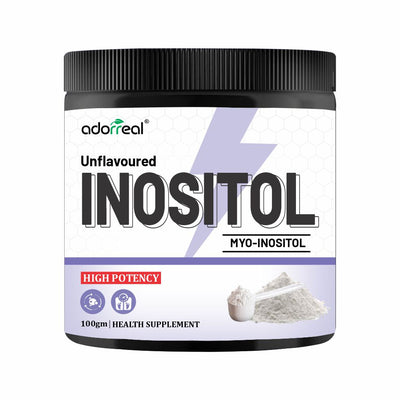
 VIEW ADORREAL PRODUCTMyo Inositol Powder 100g (Unflavoured)View product →
082Amino acids & performanceN-Acetyl L-Cysteine (NAC)
Meet N-Acetyl L-Cysteine (NAC)
A derivative of cysteine with a distinct identity from L-cysteine itself.
What to check on the label
Check the full ingredient name and amount. Seek professional guidance with medicines or respiratory conditions rather than using a supplement to replace prescribed care.
An ingredient’s normal biological role, traditional use or presence in food does not prove that extra supplementation will deliver a particular result. Suitability depends on the exact preparation, serving and your individual circumstances.
Explore related products
 VIEW ADORREAL PRODUCTN-Acetyl L-Cysteine (NAC) -60 CapsulesView product →
083BotanicalsNoni
Meet Noni
A tropical fruit botanical used in juice, powder and extract preparations.
What to check on the label
Read the preparation and serving information. Juice, dry fruit powder and concentrated extract are not interchangeable by volume or weight.
An ingredient’s normal biological role, traditional use or presence in food does not prove that extra supplementation will deliver a particular result. Suitability depends on the exact preparation, serving and your individual circumstances.
Explore related products
 VIEW ADORREAL PRODUCTNoni Extract Capsules – 60 CapsView product →
084BotanicalsOlive Leaf
Meet Olive Leaf
A leaf-based botanical ingredient, distinct from olive fruit and olive oil.
What to check on the label
Look for the botanical source and any declared extract standardisation. Olive leaf extract should not be confused with a serving of culinary olive oil.
An ingredient’s normal biological role, traditional use or presence in food does not prove that extra supplementation will deliver a particular result. Suitability depends on the exact preparation, serving and your individual circumstances.
Explore related products
 VIEW ADORREAL PRODUCTOlive Leaf (Oleuropein20%) ExtractView product →
085BotanicalsPanax Ginseng
Meet Panax Ginseng
A botanical distinct from Siberian ginseng, with products often described by their ginsenoside content.
What to check on the label
Confirm the Panax species and extract details. Review stimulant combinations and medicines with a professional before use.
An ingredient’s normal biological role, traditional use or presence in food does not prove that extra supplementation will deliver a particular result. Suitability depends on the exact preparation, serving and your individual circumstances.
Explore related products
 VIEW ADORREAL PRODUCTPanax Ginseng Extract Energy, Focus & Immune SupportView product →VIEW ADORREAL PRODUCTTesto Booster with Tribulus,Safed Musli, Kauch Beej, Ashwagandha,Fenugreek & Ginseng | 60 capsulesView product →VIEW ADORREAL PRODUCTMultivitamins,Mineral And Probiotics for Healthy Lifestyle -60 capsulesView product →
086BotanicalsPapaya Leaf
Meet Papaya Leaf
A botanical preparation made from papaya leaves, different from papaya fruit and digestive enzymes.
What to check on the label
Confirm the plant part and extract. It is not a substitute for urgent assessment of fever, bleeding, low platelets or suspected dengue.
An ingredient’s normal biological role, traditional use or presence in food does not prove that extra supplementation will deliver a particular result. Suitability depends on the exact preparation, serving and your individual circumstances.
Explore related products
 VIEW ADORREAL PRODUCTCarica Papaya Leaf ExtractView product →
087BotanicalsPomegranate
Meet Pomegranate
A fruit botanical used in powders and extracts that can differ by plant part and composition.
What to check on the label
Read whether the product uses fruit, peel or another preparation, and whether any polyphenol standardisation is declared.
An ingredient’s normal biological role, traditional use or presence in food does not prove that extra supplementation will deliver a particular result. Suitability depends on the exact preparation, serving and your individual circumstances.
Explore related products
 VIEW ADORREAL PRODUCTPomegranate Extract (Punica granatum) CapsView product →
088Other ingredients & blendsProbiotics
Meet Probiotics
Live microorganisms used in specific preparations. Their properties depend on the particular strains and product.
What to check on the label
Look for full strain names, declared CFU, storage requirements and the stated shelf-life basis. Products are not interchangeable solely because both say probiotic.
An ingredient’s normal biological role, traditional use or presence in food does not prove that extra supplementation will deliver a particular result. Suitability depends on the exact preparation, serving and your individual circumstances.

089Other ingredients & blendsQuercetin
Meet Quercetin
A flavonoid found in a variety of plant foods and used in supplements.
What to check on the label
Check the form, amount and combination ingredients. The presence of a compound in food does not mean a concentrated supplement has the same exposure or suitability.
An ingredient’s normal biological role, traditional use or presence in food does not prove that extra supplementation will deliver a particular result. Suitability depends on the exact preparation, serving and your individual circumstances.
Explore related products
VIEW ADORREAL PRODUCTQuercetin with Bromelain - 60 CapsView product →090Other ingredients & blendsResveratrol
Meet Resveratrol
A plant polyphenol available in different supplemental preparations, including trans-resveratrol.
What to check on the label
Check the amount of the named compound and any purity declaration. Extract weight and actual trans-resveratrol content are not necessarily identical.
An ingredient’s normal biological role, traditional use or presence in food does not prove that extra supplementation will deliver a particular result. Suitability depends on the exact preparation, serving and your individual circumstances.
Explore related products
 VIEW ADORREAL PRODUCTResveratrol With Grapeseed Extract-30 CapsView product →
091BotanicalsRhodiola rosea
Meet Rhodiola rosea
A botanical commonly offered as root extracts, with composition varying among preparations.
What to check on the label
Confirm species, plant part and any declared standardisation. Discuss use if taking mood-affecting medicines or managing a mental-health condition.
An ingredient’s normal biological role, traditional use or presence in food does not prove that extra supplementation will deliver a particular result. Suitability depends on the exact preparation, serving and your individual circumstances.
Explore related products
 VIEW ADORREAL PRODUCTRhodiola Rosea Extract 30 CapsulesView product →
092BotanicalsRosehip
Meet Rosehip
A fruit-like botanical preparation from rose plants, used as powder and extract.
What to check on the label
Check the preparation and amount. Rosehip content should not be assumed to provide a particular vitamin C amount unless the label quantifies it.
An ingredient’s normal biological role, traditional use or presence in food does not prove that extra supplementation will deliver a particular result. Suitability depends on the exact preparation, serving and your individual circumstances.

093BotanicalsSafed Musli
Meet Safed Musli
A botanical common name used in traditional preparations and modern formulas.
What to check on the label
Check the scientific identity and plant part. Common-name similarity does not establish equivalent composition or evidence across products.
An ingredient’s normal biological role, traditional use or presence in food does not prove that extra supplementation will deliver a particular result. Suitability depends on the exact preparation, serving and your individual circumstances.


094BotanicalsSaw Palmetto
Meet Saw Palmetto
A palm botanical used in fruit extracts that vary in fatty-acid composition and preparation.
What to check on the label
Read extract details. Urinary symptoms need appropriate assessment rather than assuming a supplement can establish or treat their cause.
An ingredient’s normal biological role, traditional use or presence in food does not prove that extra supplementation will deliver a particular result. Suitability depends on the exact preparation, serving and your individual circumstances.
Explore related products
 VIEW ADORREAL PRODUCTSaw Palmetto Extract -60 CapsulesView product →
095BotanicalsSea Buckthorn
Meet Sea Buckthorn
A botanical used in fruit, seed and oil-based preparations.
What to check on the label
Identify whether the formula contains an extract or oil and which plant part is used. These preparations have different compositions.
An ingredient’s normal biological role, traditional use or presence in food does not prove that extra supplementation will deliver a particular result. Suitability depends on the exact preparation, serving and your individual circumstances.
Explore related products
 VIEW ADORREAL PRODUCTSea Buckthorn Extract -60 CapsulesView product →
096Vitamins & mineralsSelenium
Meet Selenium
An essential trace mineral supplied in small amounts and available in several supplemental forms.
What to check on the label
Read the elemental amount in micrograms and account for other supplements. Excess selenium can be harmful; a larger amount is not automatically preferable.
An ingredient’s normal biological role, traditional use or presence in food does not prove that extra supplementation will deliver a particular result. Suitability depends on the exact preparation, serving and your individual circumstances.
Explore related products
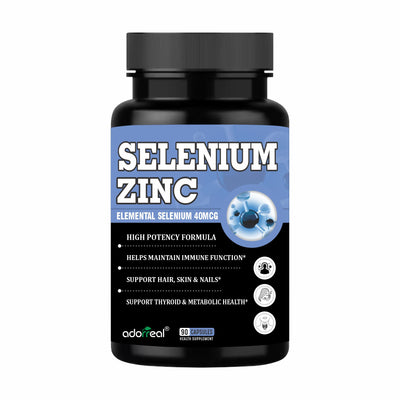
 VIEW ADORREAL PRODUCTSelenium + Zinc Capsules – 60 CapsulesView product →
097BotanicalsShankhpushpi
Meet Shankhpushpi
A traditional botanical name used in herbal formulas; scientific identity is important because common names can vary.
What to check on the label
Confirm the species and plant part on the actual product label, particularly when the formula also contains Brahmi or other botanicals.
An ingredient’s normal biological role, traditional use or presence in food does not prove that extra supplementation will deliver a particular result. Suitability depends on the exact preparation, serving and your individual circumstances.
Explore related products
VIEW ADORREAL PRODUCTShankhpushpi & Brahmi ExtractView product →098BotanicalsShatavari
Meet Shatavari
A botanical commonly associated with Asparagus racemosus preparations.
What to check on the label
Check plant identity, plant part and extract amount. Pregnancy, breastfeeding and hormone-related concerns call for individual professional advice.
An ingredient’s normal biological role, traditional use or presence in food does not prove that extra supplementation will deliver a particular result. Suitability depends on the exact preparation, serving and your individual circumstances.

099BotanicalsSiberian Ginseng (Eleuthero)
Meet Siberian Ginseng (Eleuthero)
Eleuthero is a botanical distinct from Panax ginseng despite sharing the common word ginseng.
What to check on the label
Use the scientific identity to compare products. The two botanicals should not be assumed to provide identical constituents or effects.
An ingredient’s normal biological role, traditional use or presence in food does not prove that extra supplementation will deliver a particular result. Suitability depends on the exact preparation, serving and your individual circumstances.
Explore related products
 VIEW ADORREAL PRODUCTSiberian Ginseng Extract CapsulesView product →
100BotanicalsSpirulina
Meet Spirulina
A blue-green microalgal ingredient used as a nutritional powder or in capsules.
What to check on the label
Check serving amount, sourcing and quality information. Do not assume it provides a reliable vitamin B12 supplement unless an appropriate B12 amount is separately declared.
An ingredient’s normal biological role, traditional use or presence in food does not prove that extra supplementation will deliver a particular result. Suitability depends on the exact preparation, serving and your individual circumstances.
Explore related products
 VIEW ADORREAL PRODUCTSpirulina Superfood daily nutritionView product →
101BotanicalsTagar
Meet Tagar
A botanical associated with valerian-type traditional preparations; product identity should follow the label.
What to check on the label
Read the scientific name and plant part. Discuss use with sedating medicines, and avoid driving if a formula makes you drowsy.
An ingredient’s normal biological role, traditional use or presence in food does not prove that extra supplementation will deliver a particular result. Suitability depends on the exact preparation, serving and your individual circumstances.
102Amino acids & performanceTaurine
Meet Taurine
A sulfur-containing compound often grouped with amino-acid ingredients, although it is not a building block of proteins in the same way.
What to check on the label
Check taurine content and whether caffeine or other stimulants are also present. A taurine supplement and an energy drink are different formulations.
An ingredient’s normal biological role, traditional use or presence in food does not prove that extra supplementation will deliver a particular result. Suitability depends on the exact preparation, serving and your individual circumstances.


103BotanicalsTongkat Ali
Meet Tongkat Ali
A botanical commonly associated with Eurycoma longifolia root extracts.
What to check on the label
Check species, plant part and extract information. Marketing around male wellness is not proof of a hormone effect or a reason to replace clinical assessment.
An ingredient’s normal biological role, traditional use or presence in food does not prove that extra supplementation will deliver a particular result. Suitability depends on the exact preparation, serving and your individual circumstances.
Explore related products
 VIEW ADORREAL PRODUCTTongkat Ali Extract 60 CapsulesView product →
104BotanicalsTribulus terrestris
Meet Tribulus terrestris
A botanical used in various extracts and multi-herb formulas.
What to check on the label
Confirm the extract and any standardisation. A traditional-use or sports-nutrition positioning does not establish that a product increases testosterone.
An ingredient’s normal biological role, traditional use or presence in food does not prove that extra supplementation will deliver a particular result. Suitability depends on the exact preparation, serving and your individual circumstances.
105Vitamins & mineralsVitamin B1 (Thiamine)
Meet Vitamin B1 (Thiamine)
A B vitamin involved in normal energy metabolism.
What to check on the label
Read the amount and units carefully. Milligrams and micrograms differ by a factor of one thousand, so compare labels on the same basis.
An ingredient’s normal biological role, traditional use or presence in food does not prove that extra supplementation will deliver a particular result. Suitability depends on the exact preparation, serving and your individual circumstances.
106Vitamins & mineralsVitamin B12
Meet Vitamin B12
A vitamin involved in normal blood-cell formation, neurological function and related metabolism.
What to check on the label
Check the form and micrograms per serving. Suspected deficiency or absorption problems should be assessed rather than choosing a product by dose alone.
An ingredient’s normal biological role, traditional use or presence in food does not prove that extra supplementation will deliver a particular result. Suitability depends on the exact preparation, serving and your individual circumstances.
Explore related products
VIEW ADORREAL PRODUCTIron, Folic Acid, B12, Vitamin C & Zinc Complex – 60 CapsulesView product → VIEW ADORREAL PRODUCTCalcium Complex with Magnesium, Vitamin D3, K2,and Zinc- 60 CapsulesView product →VIEW ADORREAL PRODUCTMultivitamins,Mineral And Probiotics for Healthy Lifestyle -60 capsulesView product →
107Vitamins & mineralsVitamin B2 (Riboflavin)
Meet Vitamin B2 (Riboflavin)
A B vitamin involved in normal cellular energy processes.
What to check on the label
Compare the declared amount and total intake from other B-complex or multivitamin products. Ingredient presence alone does not establish a need for extra supplementation.
An ingredient’s normal biological role, traditional use or presence in food does not prove that extra supplementation will deliver a particular result. Suitability depends on the exact preparation, serving and your individual circumstances.
108Vitamins & mineralsVitamin B3 (Niacin)
Meet Vitamin B3 (Niacin)
A B vitamin supplied in different forms, including nicotinic acid and nicotinamide.
What to check on the label
Check the specific form and amount. Higher-dose niacin can have important adverse effects and should not be used to self-treat cholesterol problems.
An ingredient’s normal biological role, traditional use or presence in food does not prove that extra supplementation will deliver a particular result. Suitability depends on the exact preparation, serving and your individual circumstances.
109Vitamins & mineralsVitamin B5 (Pantothenic Acid)
Meet Vitamin B5 (Pantothenic Acid)
A B vitamin involved in normal metabolic processes.
What to check on the label
Review the declared amount and serving size, particularly when combining several vitamin products that may supply the same nutrient.
An ingredient’s normal biological role, traditional use or presence in food does not prove that extra supplementation will deliver a particular result. Suitability depends on the exact preparation, serving and your individual circumstances.
110Vitamins & mineralsVitamin B6
Meet Vitamin B6
A vitamin involved in normal amino-acid metabolism and other body functions.
What to check on the label
Count B6 across all supplements. Long-term excessive intake can harm nerves, so higher amounts should not be assumed to be better.
An ingredient’s normal biological role, traditional use or presence in food does not prove that extra supplementation will deliver a particular result. Suitability depends on the exact preparation, serving and your individual circumstances.
Explore related products
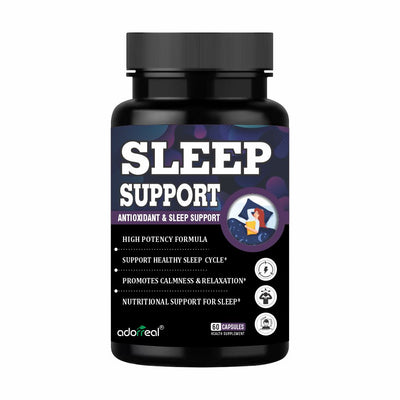
 VIEW ADORREAL PRODUCTSleep Support with Melatonin,Tagar & B6 -60 CapsView product →
 VIEW ADORREAL PRODUCTSleep Support with Melatonin ,B6 and Tagar for Better Sleep Quality, Stress Relief & Relaxation 60 CapsulesView product →VIEW ADORREAL PRODUCTMultivitamins,Mineral And Probiotics for Healthy Lifestyle -60 capsulesView product →
111Vitamins & mineralsVitamin C
Meet Vitamin C
An essential vitamin involved in normal collagen formation and several other body processes.
What to check on the label
Compare the actual vitamin C amount rather than the weight of a botanical source. Food intake and other supplements contribute to the daily total.
An ingredient’s normal biological role, traditional use or presence in food does not prove that extra supplementation will deliver a particular result. Suitability depends on the exact preparation, serving and your individual circumstances.
Explore related products
VIEW ADORREAL PRODUCTCollagen Builder with Vitamin C & Hyaluronic Acid,Biotin -125 gm (Orange)View product →VIEW ADORREAL PRODUCTIron, Folic Acid, B12, Vitamin C & Zinc Complex – 60 CapsulesView product →VIEW ADORREAL PRODUCTBiotin Collagen Support -60 CapsulesView product →VIEW ADORREAL PRODUCTMultivitamins,Mineral And Probiotics for Healthy Lifestyle -60 capsulesView product →VIEW ADORREAL PRODUCTCollagen Builder with Vitamin C & Hyaluronic Acid,Biotin -125 gmView product →112Vitamins & mineralsVitamin D3
Meet Vitamin D3
A supplemental form of vitamin D used in normal calcium regulation and bone-related nutrition.
What to check on the label
Read micrograms or IU carefully and consider other sources. Decisions about deficiency and higher-dose use should be based on individual assessment.
An ingredient’s normal biological role, traditional use or presence in food does not prove that extra supplementation will deliver a particular result. Suitability depends on the exact preparation, serving and your individual circumstances.
Explore related products
 VIEW ADORREAL PRODUCTCalcium Complex with Magnesium, Vitamin D3 and Zinc 60 CapsView product →
 VIEW ADORREAL PRODUCTVitamin D3 and K2 for Bone & Joint Health-60 CapsView product →VIEW ADORREAL PRODUCTCalcium Complex with Magnesium, Vitamin D3, K2,and Zinc- 60 CapsulesView product →
113Vitamins & mineralsVitamin E
Meet Vitamin E
A fat-soluble vitamin available in different supplemental forms.
What to check on the label
Check the declared vitamin E amount and form. Discuss high-dose use with a professional, especially when taking medicines that affect bleeding.
An ingredient’s normal biological role, traditional use or presence in food does not prove that extra supplementation will deliver a particular result. Suitability depends on the exact preparation, serving and your individual circumstances.
114Vitamins & mineralsVitamin K2
Meet Vitamin K2
A form family within vitamin K, which contributes to normal blood clotting and other body functions.
What to check on the label
Look for the specific K2 form and amount. People taking warfarin or similar anticoagulants need professional guidance before changing vitamin K intake.
An ingredient’s normal biological role, traditional use or presence in food does not prove that extra supplementation will deliver a particular result. Suitability depends on the exact preparation, serving and your individual circumstances.
Explore related products
VIEW ADORREAL PRODUCTVitamin D3 and K2 for Bone & Joint Health-60 CapsView product →VIEW ADORREAL PRODUCTCalcium Complex with Magnesium, Vitamin D3, K2,and Zinc- 60 CapsulesView product →VIEW ADORREAL PRODUCTMultivitamins,Mineral And Probiotics for Healthy Lifestyle -60 capsulesView product →115Oils & fatty acidsWheat Germ Oil
Meet Wheat Germ Oil
An oil obtained from wheat germ and used in some oil-based formulas.
What to check on the label
Read the full ingredient and allergen declarations. Do not infer a quantified vitamin E amount from the oil name alone.
An ingredient’s normal biological role, traditional use or presence in food does not prove that extra supplementation will deliver a particular result. Suitability depends on the exact preparation, serving and your individual circumstances.
Explore related products
VIEW ADORREAL PRODUCTVitamin E ,Wheat Germ Oil, Evening Primrose Oil – 30 SoftgelsView product →116Other ingredients & blendsYohimbine HCl
Meet Yohimbine HCl
A defined form of yohimbine, a pharmacologically active compound. It should not be treated as an ordinary vitamin or botanical food.
What to check on the label
Significant risks include blood-pressure changes, rapid or irregular heartbeat and anxiety. Seek qualified medical advice; avoid casual stimulant combinations or use during pregnancy and breastfeeding.
An ingredient’s normal biological role, traditional use or presence in food does not prove that extra supplementation will deliver a particular result. Suitability depends on the exact preparation, serving and your individual circumstances.
Explore related products
 VIEW ADORREAL PRODUCTYohimbine HCl 5 mg CapsulesView product →
117Other ingredients & blendsZeaxanthin
Meet Zeaxanthin
A carotenoid found in foods and commonly paired with lutein in eye-nutrition formulas.
What to check on the label
Check the separate amounts of zeaxanthin and lutein. Ingredient combinations and evidence are specific; vision symptoms still require professional eye care.
An ingredient’s normal biological role, traditional use or presence in food does not prove that extra supplementation will deliver a particular result. Suitability depends on the exact preparation, serving and your individual circumstances.
Explore related products
VIEW ADORREAL PRODUCTLutein with Zeaxanthin - 60 CapsulesView product →118Vitamins & mineralsZinc
Meet Zinc
An essential trace mineral available in different salts and supplement forms.
What to check on the label
Compare elemental zinc, not only the compound weight. Long-term excessive zinc can affect copper status; review overlapping products before combining them.
An ingredient’s normal biological role, traditional use or presence in food does not prove that extra supplementation will deliver a particular result. Suitability depends on the exact preparation, serving and your individual circumstances.
Explore related products
VIEW ADORREAL PRODUCTCalcium Complex with Magnesium, Vitamin D3 and Zinc 60 CapsView product →VIEW ADORREAL PRODUCTSelenium + Zinc Capsules – 60 CapsulesView product →VIEW ADORREAL PRODUCTIron, Folic Acid, B12, Vitamin C & Zinc Complex – 60 CapsulesView product →VIEW ADORREAL PRODUCTTesto Booster with Tribulus,Safed Musli, Kauch Beej, Ashwagandha,Fenugreek & Ginseng | 60 capsulesView product →VIEW ADORREAL PRODUCTCalcium Complex with Magnesium, Vitamin D3, K2,and Zinc- 60 CapsulesView product →FROM INGREDIENT TO PRODUCT
Find the formula that fits.
Open an ingredient guide above and choose its product card to view the exact composition, available pack and current product information. Product links take you to the product page; nothing is added to your cart automatically.
A SMARTER LABEL CHECK
Five things to compare.
- Identity. Read the complete ingredient name, botanical species or chemical form.
- Amount. Compare like-for-like units and the amount per full serving.
- Preparation. Powder, extract, oil, peptide and standardised compound can mean different things.
- The complete formula. Check accompanying ingredients, allergens and overlaps with other products.
- Personal suitability. Follow the label. Ask a qualified professional if pregnant, breastfeeding, taking medicines, managing a health condition, or choosing supplements for a child.
GOOD QUESTIONS
Before you choose.
Are more milligrams always better?
No. Preparation, active amount, serving size and personal need matter. The weight of a mineral compound, for example, differs from its elemental mineral content.
Can I combine several products?
Check overlapping ingredients first. Vitamins, minerals, caffeine and botanicals may appear in more than one formula; a pharmacist or clinician can help assess a combination.
Where can I read the exact directions?
Use the related product button in each ingredient guide and read the actual product label and suggested use. This article does not set a personalised dose.
Does a product link mean a medical recommendation?
No. The links show the products associated with that ingredient in our directory. They are a navigation aid, not a diagnosis or a guarantee of benefit.
Further reading
For independent ingredient education, consult the NIH Office of Dietary Supplements fact sheets, NCCIH Herbs at a Glance, and NIH exercise and athletic performance guide. Specific safety resources: yohimbe, berberine, green tea and ashwagandha.
Educational information only. Supplements are not intended to diagnose, treat, cure or prevent disease. Ingredient availability and product formulas can change; the actual product label takes precedence. Guide prepared 21 October 2026.